
How Much Does a Kitchen Remodel Cost in 2026?
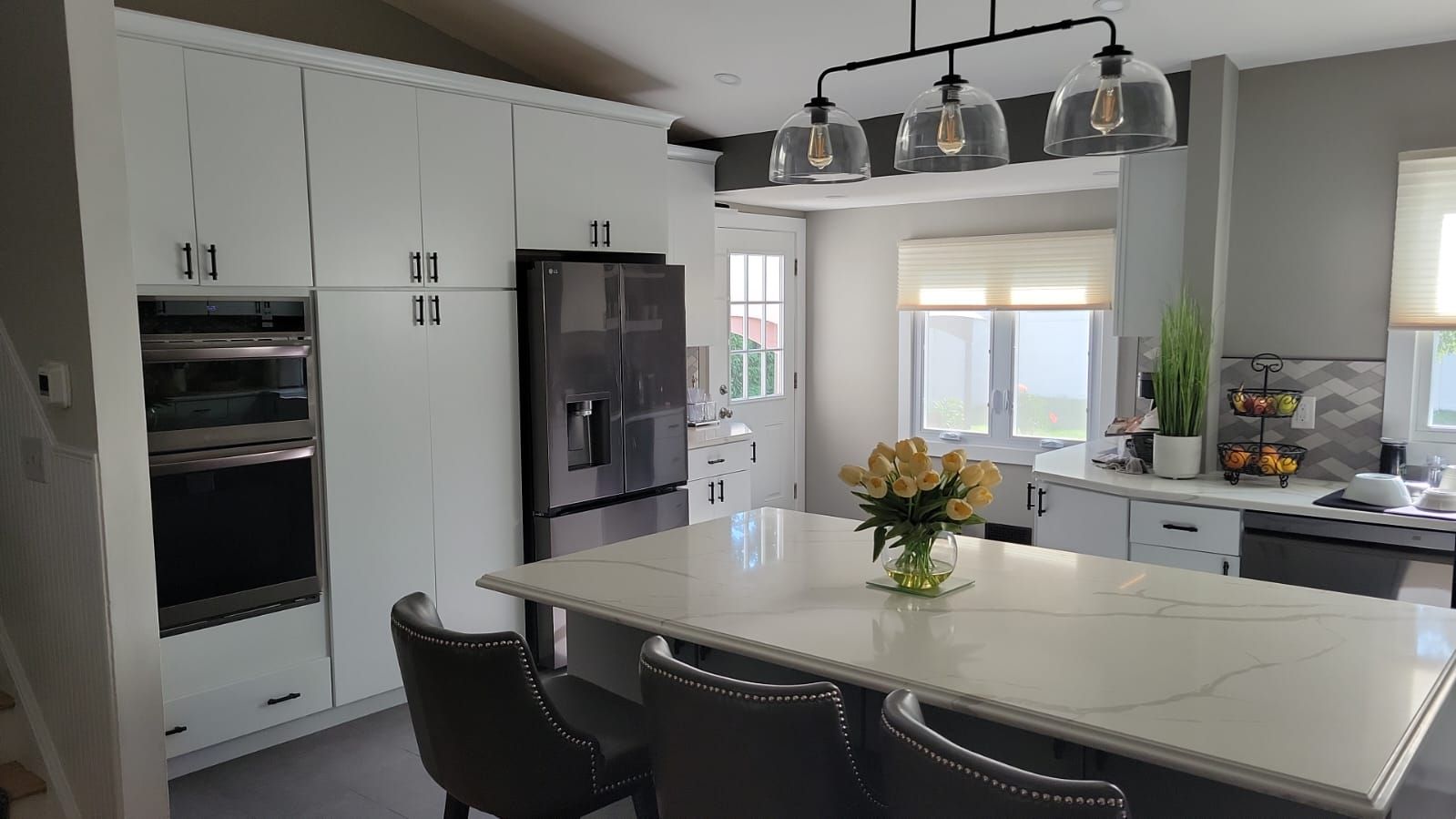
Three Most Common Kitchen Remodel Budget Levels Homeowners Should Consider
Refreshing an Existing Kitchen
This type of project focuses on improving appearance without significantly changing the room's structure.
Common improvements include:
- Cabinet painting or refacing
- New countertops
- Updated backsplash
- New lighting fixtures
- Fresh paint
- Modern hardware
Because plumbing, electrical systems, and layouts remain largely unchanged, this is often the most budget-friendly approach.
Functional Kitchen Remodeling
Many homeowners choose a remodel that improves both appearance and functionality.
This may include:
- New cabinets
- Countertop replacement
- Flooring updates
- Appliance upgrades
- Improved storage solutions
- Island modifications
These projects require more labor and materials but create a noticeable improvement in how the kitchen works day to day.
Complete Kitchen Renovation
A full-scale renovation involves redesigning the space rather than simply updating finishes.
Projects may include:
- Removing walls
- Relocating plumbing lines
- Moving appliances
- Expanding the kitchen footprint
- Custom cabinetry
- Luxury finishes
- Adding a kitchen island
This level of remodeling requires extensive planning, permitting, and coordination among multiple trades.
Focus on Small Upgrades That Create a Big Impact on Your Kitchen Remodel
Not every enhancement needs to be large or structural. Professional mini-upgrades can significantly refresh the space and enhance its functionality.
Good Life Renovation frequently recommends:
- Sleek lighting upgrades that brighten the room and highlight the design
- Modern sinks and faucets that bring a refreshed visual appeal
- Stylish backsplashes that add personality and dimension
- Smart storage solutions that make daily use more efficient
Aspects That Increase Costs of a Kitchen Remodel
Moving Plumbing Fixtures
Relocating a sink, dishwasher, or refrigerator water line may seem like a small change, but it can trigger additional plumbing work, drywall repairs, and flooring adjustments.
Changing the Kitchen Layout
Keeping the existing layout allows contractors to work more efficiently and often reduces labor costs. Once walls, utilities, or structural elements are moved, the scope of the project grows significantly.
Choosing Custom Cabinetry
Cabinets are among the most visible features in a kitchen and often account for a substantial portion of the remodeling budget. Custom options offer maximum flexibility but require more materials, design time, and installation expertise.
Selecting Premium Materials
Quartz, natural stone, handcrafted tile, and specialty finishes can dramatically elevate the appearance of a kitchen. They can also increase project costs faster than many homeowners expect.
What Factors Homeowners Often Forget to Budget For?
The most successful remodeling projects account for expenses beyond cabinets and countertops.
Commonly overlooked items include:
- Permit fees
- Designing services
- Electrical upgrades
- Ventilation improvements
- Water damage repairs
- Temporary kitchen arrangements
- Disposal and cleanup costs
Planning for these items early helps prevent unexpected financial surprises during construction
The Real Question Isn't Cost—It's Value!
Two kitchens can cost the same amount to renovate and deliver completely different results.
One may focus on trendy finishes that feel outdated within a few years. Another may prioritize storage, workflow, durability, and everyday convenience.
The most successful kitchen remodels are not necessarily the most expensive. They're the ones that solve problems homeowners deal with every day.
Before choosing materials or comparing estimates, consider:
- What frustrates you about your current kitchen?
- How do you use the space?
- Which improvements would have the biggest impact on daily life?
- Are you remodeling for resale, long-term enjoyment, or both?
- Are you choosing an experienced contractor whose workmanship will protect your investment over the long term?
If you're planning a kitchen remodel in
New Jersey, Good Life Renovation
has the experienced team to deliver quality workmanship and help you make the most of your remodeling investment.
How to Create a Realistic Kitchen Remodeling Budget in 2026?
Many homeowners start by browsing countertops, cabinet colors, and appliance packages. The problem is that they often fall in love with features before determining what they can realistically afford. A better approach is to build your budget in stages.
Step 1: Define Why You're Remodeling
Before discussing materials or design styles, identify the primary purpose of the renovation.
Ask yourself:
- Is the kitchen outdated?
- Do you need more storage?
- Is the current layout inefficient?
- Are you preparing to sell your home?
- Do you want a higher-end space for long-term enjoyment?
Your goals should guide every spending decision. For example, a homeowner planning to sell within a few years may prioritize broad buyer appeal, while someone planning to stay for the next decade may invest more heavily in customization and functionality.
Step 2: Evaluate What Can Stay
Not everything needs to be replaced.
Walk through your kitchen and separate items into three categories:
Keep
- Cabinets in good condition
- Functional appliances
- Existing flooring
- Plumbing locations
Upgrade
- Countertops
- Lighting fixtures
- Backsplash
- Hardware
Replace
- Damaged cabinets
- Outdated electrical systems
- Worn flooring
- Inefficient layouts
This exercise often reveals opportunities to reduce costs without sacrificing results.
Step 3: Research Local Remodeling Costs
Kitchen remodeling costs vary significantly by location.
Labor rates, permit requirements, and material availability can all affect pricing. Gathering estimates from local contractors provides a more accurate picture than relying solely on national averages.
At this stage, focus on understanding cost ranges rather than seeking the lowest price. Extremely low estimates may exclude important work or lead to unexpected change orders later.
Step 4: Prioritize High-Impact Improvements
Not every upgrade delivers the same value.
In many kitchens, the features that homeowners interact with daily have the greatest impact on satisfaction, including:
- Cabinet storage solutions
- Durable countertops
- Functional lighting
- Workspace efficiency
- Quality hardware
Prioritizing these elements often produces better results than spending heavily on decorative features that contribute little to everyday use.
Step 5: Separate "Must-Haves" from "Nice-to-Haves"
This is one of the most effective ways to stay within budget.
Create two lists.
Must-Haves
- Additional storage
- New cabinets
- Improved lighting
- Updated flooring
Nice-to-Haves
- Built-in coffee station
- Pot filler
- Wine refrigerator
- Custom decorative features
If costs exceed expectations, you can postpone nice-to-have items without compromising the project's overall success.
Step 6: Reserve a Contingency Fund
Unexpected discoveries are common once demolition begins.
Many remodeling professionals recommend setting aside an additional 10% to 20% of the project budget for unforeseen expenses.
For example:
Planned Budget
$25,000
$50,000
$75,000
Recommended Contingency
$2,500–$5,000
$5,000–$10,000
$7,500–$15,000
A contingency fund helps prevent delays and difficult decisions if unexpected issues arise.
Step 7: Request Detailed Estimates
When comparing contractors, don't focus solely on the final price.
Ask for detailed breakdowns that explain:
- Labor costs
- Materials
- Permit fees
- Demolition
- Electrical work
- Plumbing work
- Installation
A transparent estimate makes it easier to understand where your money is going and helps avoid misunderstandings later.
At Good Life Renovation, we provide detailed estimates. Contact us today to get a free, detailed estimate for your kitchen remodeling project.
Step 8: Think About Long-Term Value
The least expensive option is not always the most cost-effective.
Choosing durable materials and quality workmanship may reduce future maintenance and replacement costs. Consider how long you plan to stay in the home and whether the improvements support your long-term goals.
Step 9: Finalize Your Budget Before Choosing Finishes
Once you know what you can comfortably spend, begin selecting materials, fixtures, and appliances that fit within that budget.
This approach helps prevent a common problem: designing a dream kitchen first and discovering later that it exceeds your financial comfort zone.
A successful kitchen remodel isn't about spending the most money—it's about investing strategically in the improvements that will have the greatest impact on how you use and enjoy your home.
Start Your Kitchen Remodeling Journey in New Jersey With Good Life Renovation
A successful kitchen remodel begins with careful planning and the right team by your side. Good Life Renovation works with homeowners across New Jersey to create kitchens that combine style, functionality, and lasting value. Good Life is a licensed and Insured home remodeling contractor with two decades of home renovation experience. Schedule a consultation today to discuss your project.